
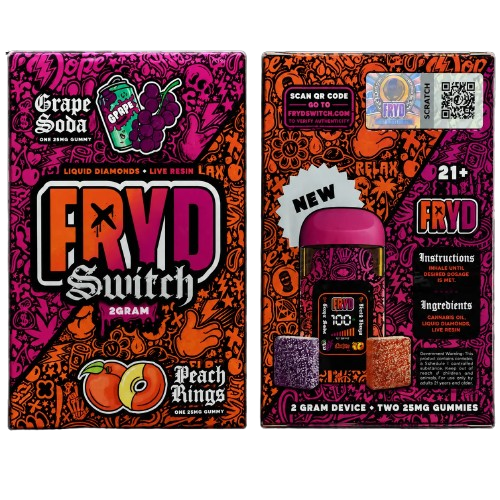
How to fix Fryd cart not hitting is a common question among people experiencing vape device problems. If your Fryd cart is not producing vapor, drawing properly, or responding when activated, the issue may involve a depleted battery, restricted airflow, a faulty connection, or a defective device. Understanding the possible cause can help you identify the safest next step without damaging the product.
Whether you are researching Fryd carts, Fryd Donuts, or a disposable vape, start by checking the device type and following the manufacturer’s instructions. Not every Fryd-branded product uses the same design, so troubleshooting methods may differ. This guide explains common causes, safe checks, warning signs, and when to stop using a device that may be damaged or defective.
Why Is My Fryd Cart Not Hitting?
A vape device that does not produce vapor may have an electrical, airflow, battery, or internal hardware problem. Sometimes the device appears to activate but produces little or no vapor. In other cases, there may be no light or response at all.
Understanding the symptoms can help you decide whether a basic external check is appropriate or whether the device should be replaced or professionally assessed.
1. The Battery May Be Depleted
A battery-powered device may stop responding when its charge is exhausted. Some devices display a light or indicator when activated, while others provide very little feedback.
If your device has a rechargeable battery, consult its manufacturer’s instructions for the approved charging method. Do not charge it if the device is damaged, leaking, unusually hot, swollen, or behaving abnormally. Never use an incompatible charger or leave a charging device unattended.
If the battery does not respond to the approved charging method, stop using the device rather than attempting to repair its internal electronics.
2. Airflow May Be Restricted
A vape device may fail to draw properly when its airflow path is obstructed. Condensation, residue, or debris can sometimes contribute to restricted airflow.
Check the exterior and visible mouthpiece for obvious obstructions. Follow the manufacturer’s cleaning instructions if they are available. Do not insert sharp objects into the mouthpiece, force air through the device, or dismantle a sealed disposable vape.
If the airflow remains blocked or the device leaks, discontinue use.
3. The Battery Connection May Be Faulty
Cartridge-style devices rely on an electrical connection between the cartridge and its compatible battery. If the connection is damaged, dirty, or incompatible, the device may not activate.
Inspect the outside of the connection for visible damage or residue. Follow the manufacturer’s instructions for any permitted external cleaning. Avoid scraping metal contacts, bending connectors, or using liquids inside the device.
If the connection is damaged or the cartridge does not fit correctly, do not force it into place. Contact the manufacturer or seller for guidance.
How to Fix Fryd Cart Not Hitting: Safe Troubleshooting Steps
If your device is not working, begin with simple external checks. Do not open a sealed disposable, modify its battery, or attempt to repair internal wiring.
Step 1: Identify Your Device Type
First, determine whether you have a disposable vape or a separate cartridge and battery.
A disposable usually contains its own battery and heating components. A cartridge-style product relies on a compatible battery. The troubleshooting options differ, so check the product instructions before proceeding.
If the product’s origin or design cannot be verified, avoid experimenting with it.
Step 2: Check the Battery Indicator
If your device has an indicator light, observe what happens when you activate it according to the instructions.
- No light may indicate a depleted battery, an electrical fault, or a device that has reached the end of its life.
- A flashing light may indicate a fault or operating condition described in the manual.
- A light that activates without producing vapor may indicate an airflow obstruction or a failed heating component.
Indicator patterns vary by device. Do not assume that a particular flashing pattern means the same thing across all Fryd products.
Step 3: Inspect the Mouthpiece
Look at the outside of the mouthpiece for visible debris or residue. If the manufacturer’s instructions permit cleaning, gently wipe the exterior with a clean, dry cloth or cotton swab.
Do not push needles, paper clips, or other objects into the airway. Avoid blowing forcefully into the device, and never pour cleaning liquid into a sealed vape.
If the mouthpiece remains blocked, the device leaks, or liquid enters your mouth, stop using it.
Step 4: Check for Visible Damage
Inspect the device for cracks, loose components, leakage, unusual swelling, or signs of overheating. Do not use a device that has been crushed, punctured, soaked, or otherwise damaged.
The U.S. Food and Drug Administration recommends following the manufacturer’s instructions and taking precautions when charging and handling vape batteries. It also advises keeping devices away from extreme temperatures and charging them on a clear, visible surface.
FDA
If the device shows signs of battery damage, do not attempt to charge or repair it.
Step 5: Check Whether the Product Is Defective
If the device is new and has never worked, it may have a manufacturing defect, a faulty battery, or an internal connection problem.
Keep the packaging, receipt, batch number, and any relevant photographs. Contact the seller and ask about the product’s documentation and return or replacement policy.
If the device continues to malfunction, replacement through a legitimate, lawful channel is safer than attempting an internal repair. General cartridge troubleshooting guidance also identifies faulty hardware and poor connections as possible causes of a device that produces no vapor.
Vaping360
+1
Fryd Cart Not Hitting but the Light Is On
A light that turns on does not necessarily mean the heating component is working correctly.
If your Fryd cart lights up but produces no vapor, consider these possibilities:
- Airflow problem: The device may have a blocked mouthpiece or internal air passage.
- Heating component failure: The battery may respond while the heater fails to function.
- Low battery power: An indicator may illuminate even when the battery cannot operate the device properly.
- Product defect: A new device can be faulty from the beginning.
- Unverified product: The actual contents or construction may differ from what the label suggests.
Avoid repeated activation attempts, especially if the device becomes hot or produces a burnt smell. Do not increase the power beyond the manufacturer’s specified settings in an attempt to force it to work.
Fryd Cart Clogged: What Should You Know?
A clogged cartridge may have restricted airflow, but a difficult draw does not automatically mean that hardened oil is the cause.
Residue, condensation, device damage, and internal faults can create similar symptoms. Some sealed devices cannot be safely cleaned internally, and attempting to clear a blockage with metal tools can damage components.
If your device is designed for user maintenance, follow its official instructions. If those instructions are unavailable or the product cannot be verified, do not dismantle it or apply external heat.
Never use a lighter, heat gun, boiling water, or another direct heat source to unclog a vape. Excessive heat can damage the device, increase leakage, or create a battery hazard.
How to Prevent Fryd Cart Problems
Although some device problems occur without warning, proper storage and careful handling can reduce avoidable damage.
Store the Device Correctly
Keep the product in a cool, dry place away from direct sunlight, heaters, and extreme temperatures. Avoid leaving it inside a hot vehicle or somewhere it could be crushed.
Follow the manufacturer’s storage instructions, and keep vape products away from children and pets.
Avoid Physical Damage
Dropping a device can damage its internal components even when the outside looks intact. Avoid carrying it loose with keys, coins, or other objects that may damage the casing or mouthpiece.
Do not use a device with a cracked housing, loose parts, or signs of leakage.
Follow the Manufacturer’s Instructions
Use only the charging equipment and accessories specified for the device. Do not modify the battery, bypass safety features, or attempt to repair internal wiring.
The FDA advises consumers to follow device-specific instructions and handle vape batteries carefully to reduce the risk of fire or injury.
FDA
Keep Product Documentation
Save your receipt, packaging, and batch information. These details can help the seller identify the item if you need to report a defect or request a refund.
For products carrying the Fryd or Fryd Donuts name, documentation is particularly important because a brand name or package design alone cannot establish authenticity.
When Should You Stop Troubleshooting?
Stop using the device immediately if you notice any of the following:
- The battery becomes unusually hot.
- The casing is swollen, cracked, or punctured.
- The device leaks liquid or produces an unusual chemical smell.
- The device activates unexpectedly.
- The product tastes burnt or causes unexpected irritation.
- The packaging and available product documentation conflict.
Do not continue testing a suspicious or damaged product. Keep it away from flammable materials and follow local guidance for safe disposal of vape devices containing batteries. Do not place a damaged lithium-ion battery in ordinary household rubbish if local disposal rules prohibit it.
Frequently Asked Questions
Why Is My Fryd Cart Not Hitting Even Though It Is Full?
A full-looking cartridge can still fail because of restricted airflow, a faulty heating component, a battery issue, or an internal defect. The amount of visible liquid does not prove that the device is functioning correctly.
Why Does My Fryd Cart Blink but Not Work?
A blinking indicator may signal a low battery, a connection fault, or another device-specific error. Check the manufacturer’s instructions for your exact model. Do not assume all devices use the same light codes.
Can I Fix a Fryd Disposable That Will Not Hit?
You can inspect the exterior and follow any approved, manufacturer-provided troubleshooting instructions. However, a sealed disposable should not be opened or rewired. If it remains faulty, contact the seller about a replacement or refund.
Why Is My Fryd Cart Hard to Pull From?
Restricted airflow, residue, or internal damage may make a cartridge difficult to draw from. Check the exterior mouthpiece for visible obstruction. Do not force airflow or insert sharp objects into the device.
Should I Charge a Fryd Cart That Is Not Working?
Only charge a rechargeable device if its design and manufacturer instructions confirm that charging is supported. Do not charge a swollen, damaged, leaking, wet, or unusually hot device.
Can a Fake Fryd Cart Stop Hitting?
A counterfeit or unverified device may have poor construction or defective components. However, a malfunction alone does not prove that a product is counterfeit. Check its source and supporting documentation independently.
Should I Buy Another Fryd Cart if Mine Stops Working?
Before considering any replacement, establish whether the original device is defective and whether the seller can provide credible product information. Follow local laws and applicable age restrictions. Avoid products whose source or contents cannot be verified.
Final Thoughts: How to Fix Fryd Cart Not Hitting
When researching how to fix Fryd cart not hitting, start by identifying the device type, checking the exterior, reviewing the battery indicator, and consulting the manufacturer’s instructions. These checks may help you recognize a basic issue without risking damage to the device.
If the product continues to malfunction, leaks, overheats, or cannot be verified, stop using it. Do not dismantle sealed devices or attempt battery repairs.
For consumers researching Fryd Donuts and Fryd carts, the same principle applies: clear product information, traceable documentation, and responsible handling matter more than marketing claims. A product that looks genuine or lights up is not necessarily authentic, functional, or safe.
